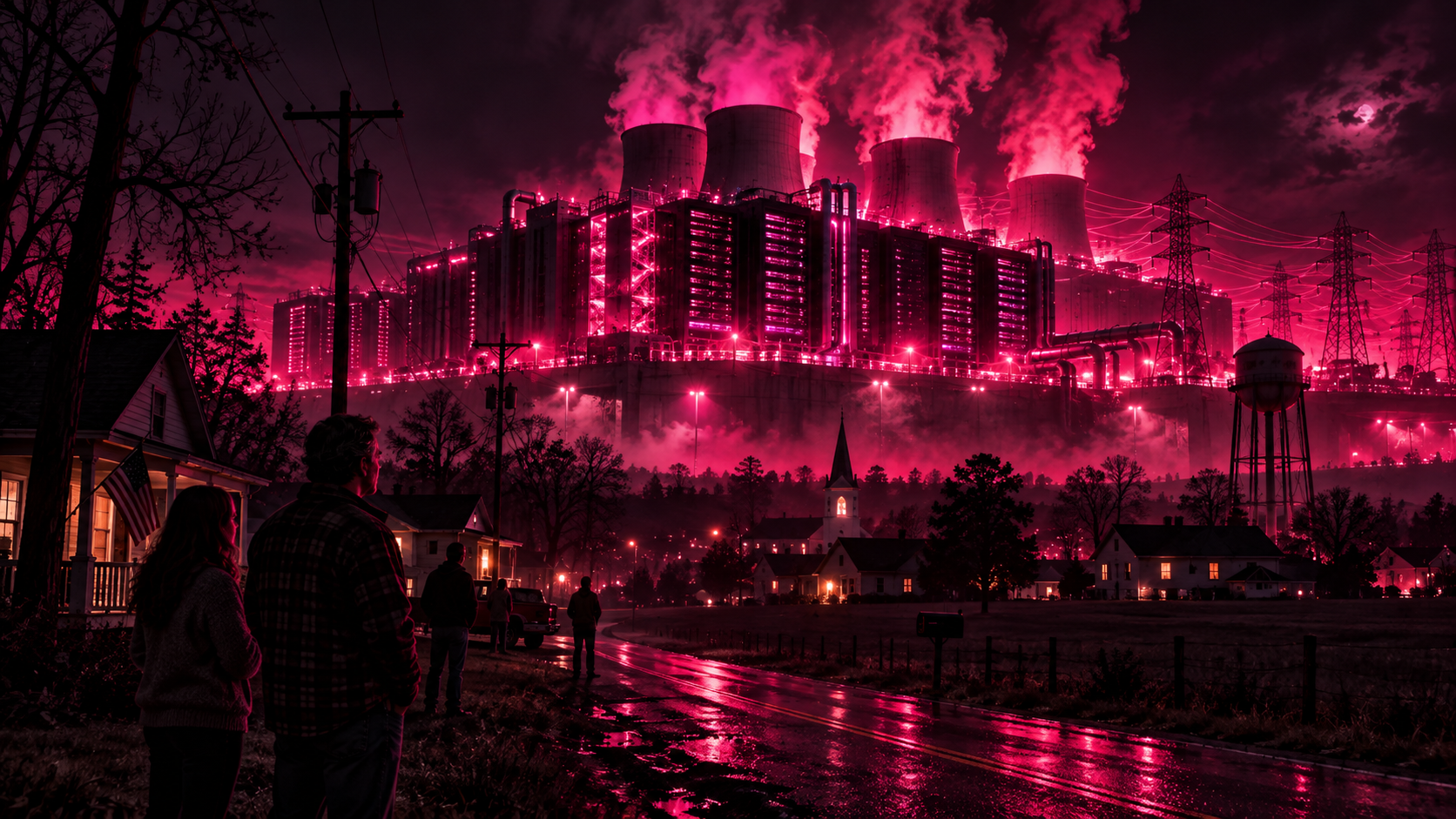
The Data Center Wants Your Town and Your Silence
AI looks weightless until the servers arrive. Data centers turn the abstract language of the cloud into land, substations, cooling systems, zoning fights and local political resistance.
SLOP SCORE8.5
FIELD NOTES FROM THE FEED
Field notes from an internet becoming easier to fill and harder to trust. AI slop, algorithm bait, fake authority, corporate goo, and the occasional thing still worth paying attention to.
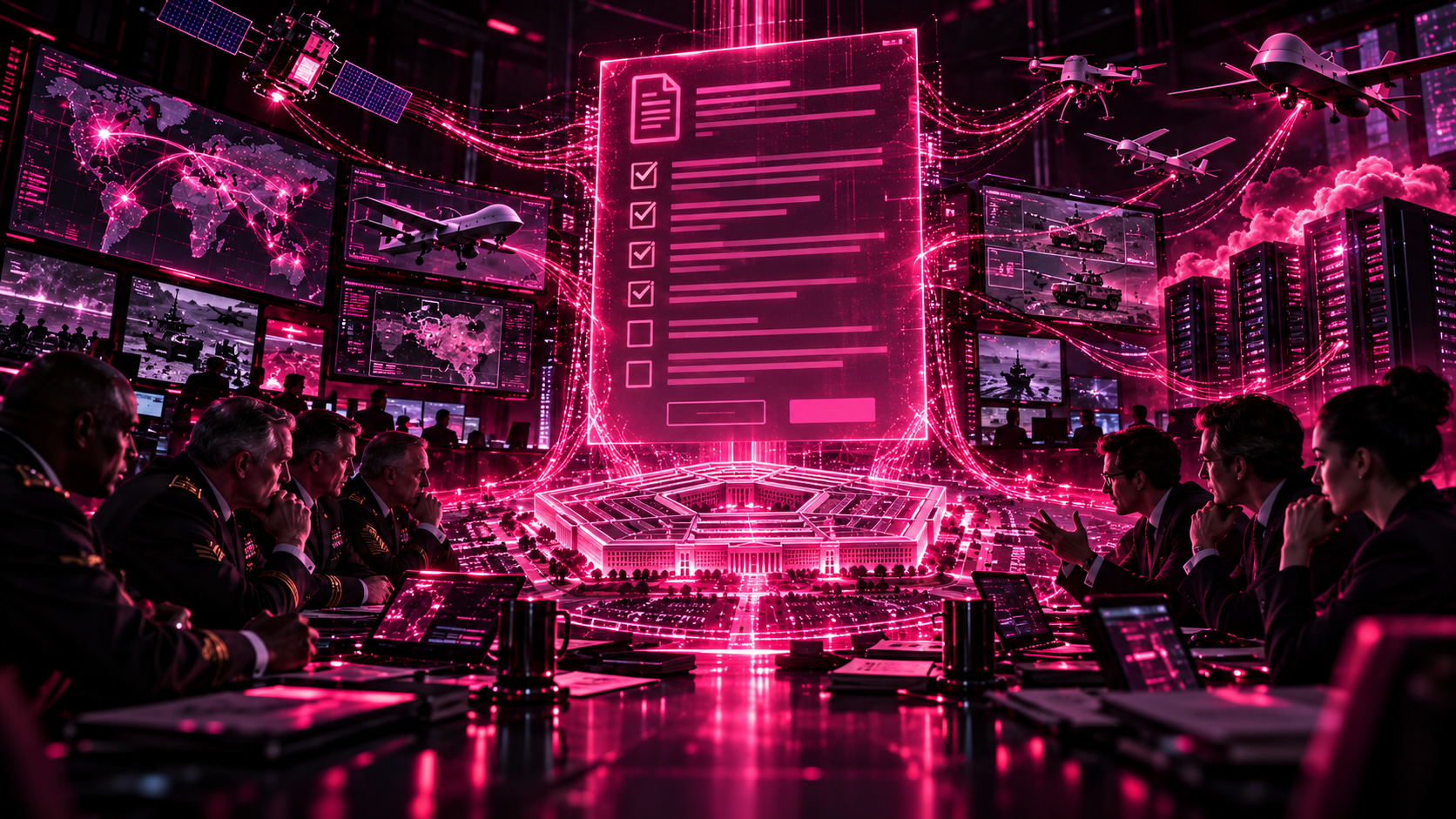
The military-industrial complex has acquired a Silicon Valley layer. As the Pentagon becomes more dependent on privately controlled AI, software, satellites and autonomous systems, national-security power increasingly comes with founders, platforms and terms of service.
AI looks weightless until the servers arrive. Data centers turn the abstract language of the cloud into land, substations, cooling systems, zoning fights and local political resistance.
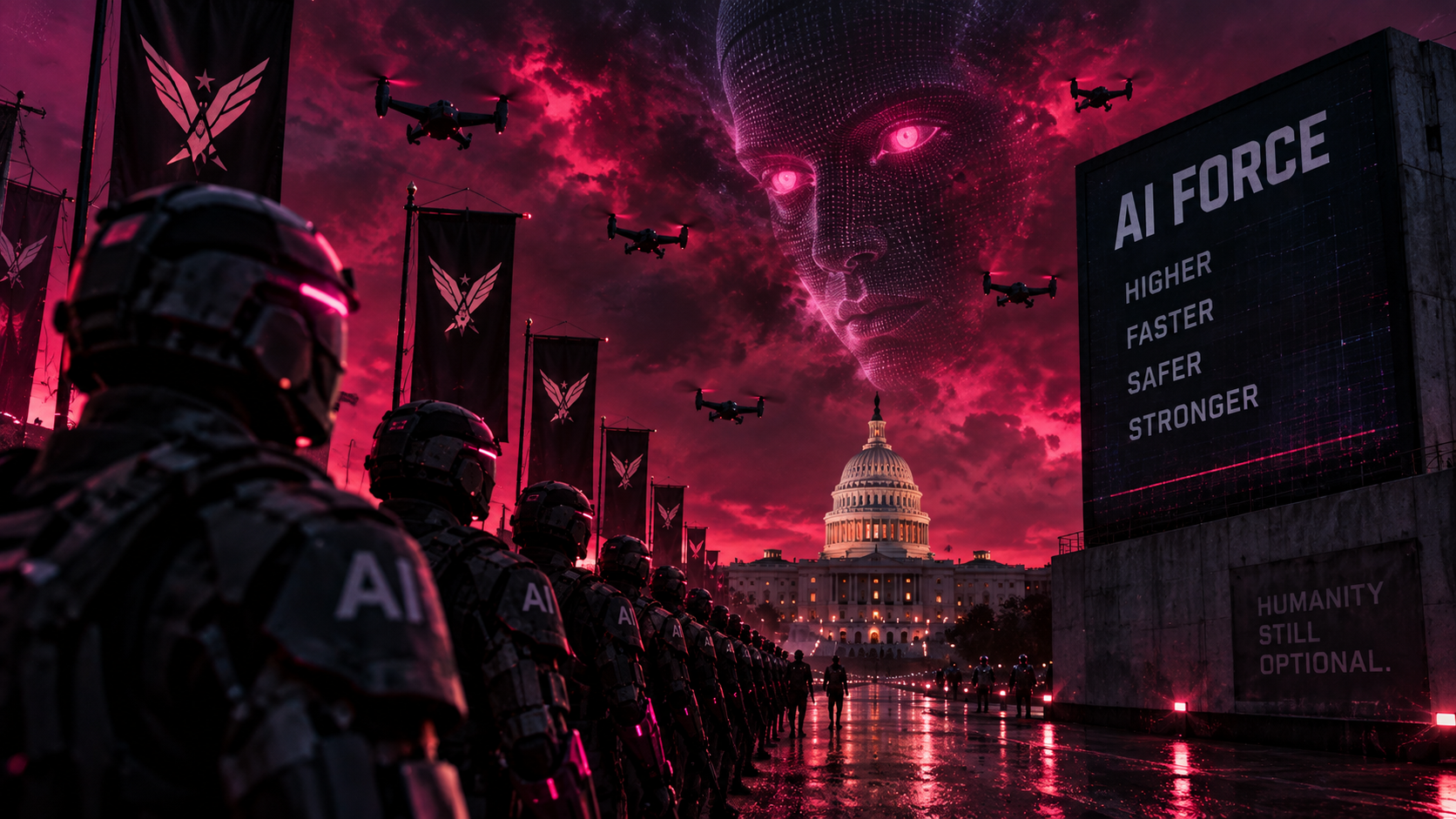
AI Force arrives with all the ingredients of modern political technology theater: a powerful name, national-security aesthetics, and very few details. The more interesting question is what happens when AI stops being sold as software and starts being sold as destiny.

AI is rapidly lowering the cost of making films, with full-length features now possible on tiny budgets and festivals receiving thousands of AI-made entries. Production may no longer be the bottleneck. Human attention is.

An AI-produced British sitcom shows that generating the shape of television is getting easier. The harder question is whether performance, chemistry and comic timing were ever just production costs waiting to be removed.

Digital marketers can now simulate the appearance of organic virality across social feeds. The song may be real. The fans may be real. The feeling that “everyone is talking about it” may have been purchased.
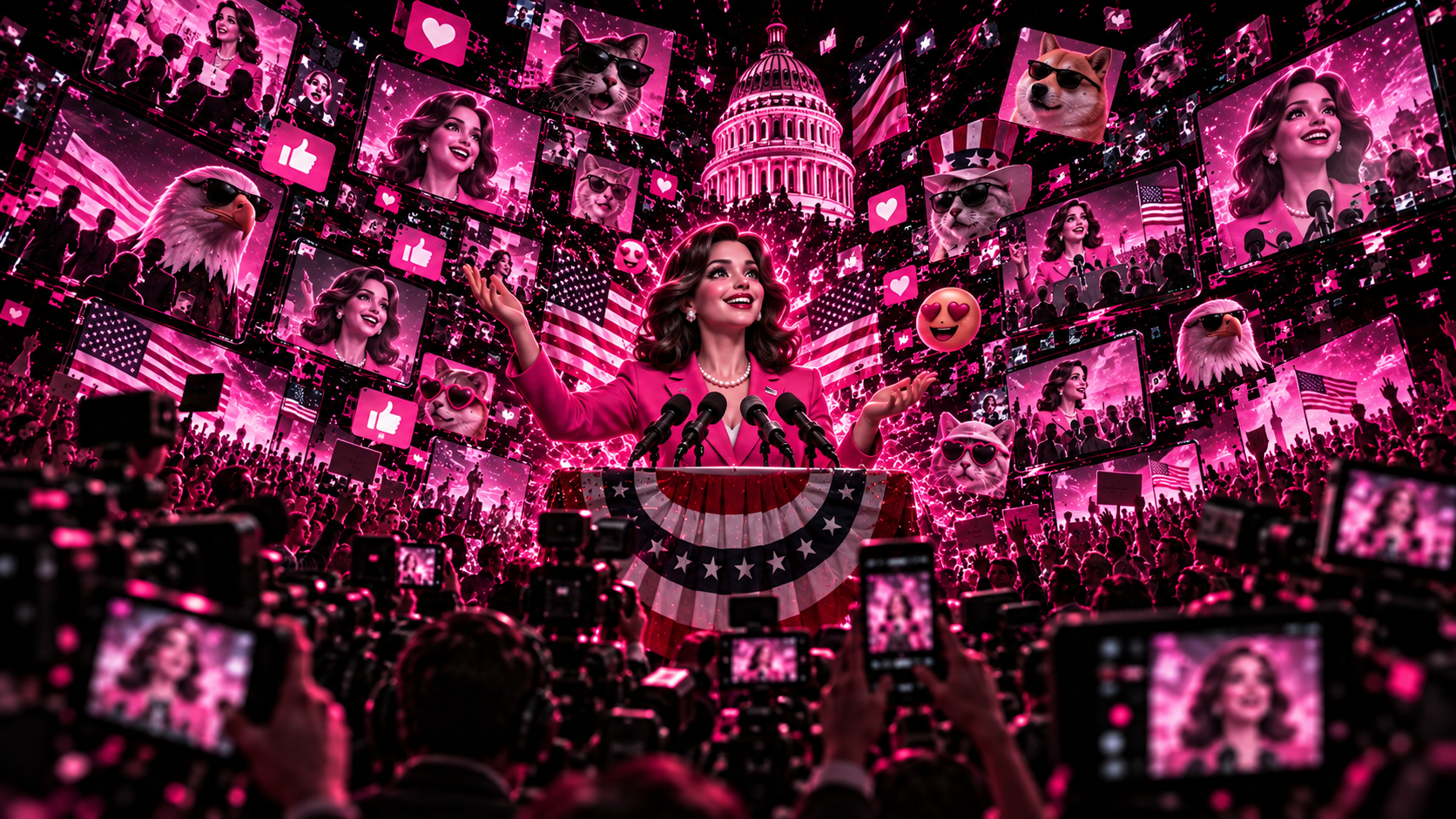
AI campaign content is no longer a novelty. It is becoming a cheap, fast, and highly shareable way to turn political messaging into internet-native spectacle.
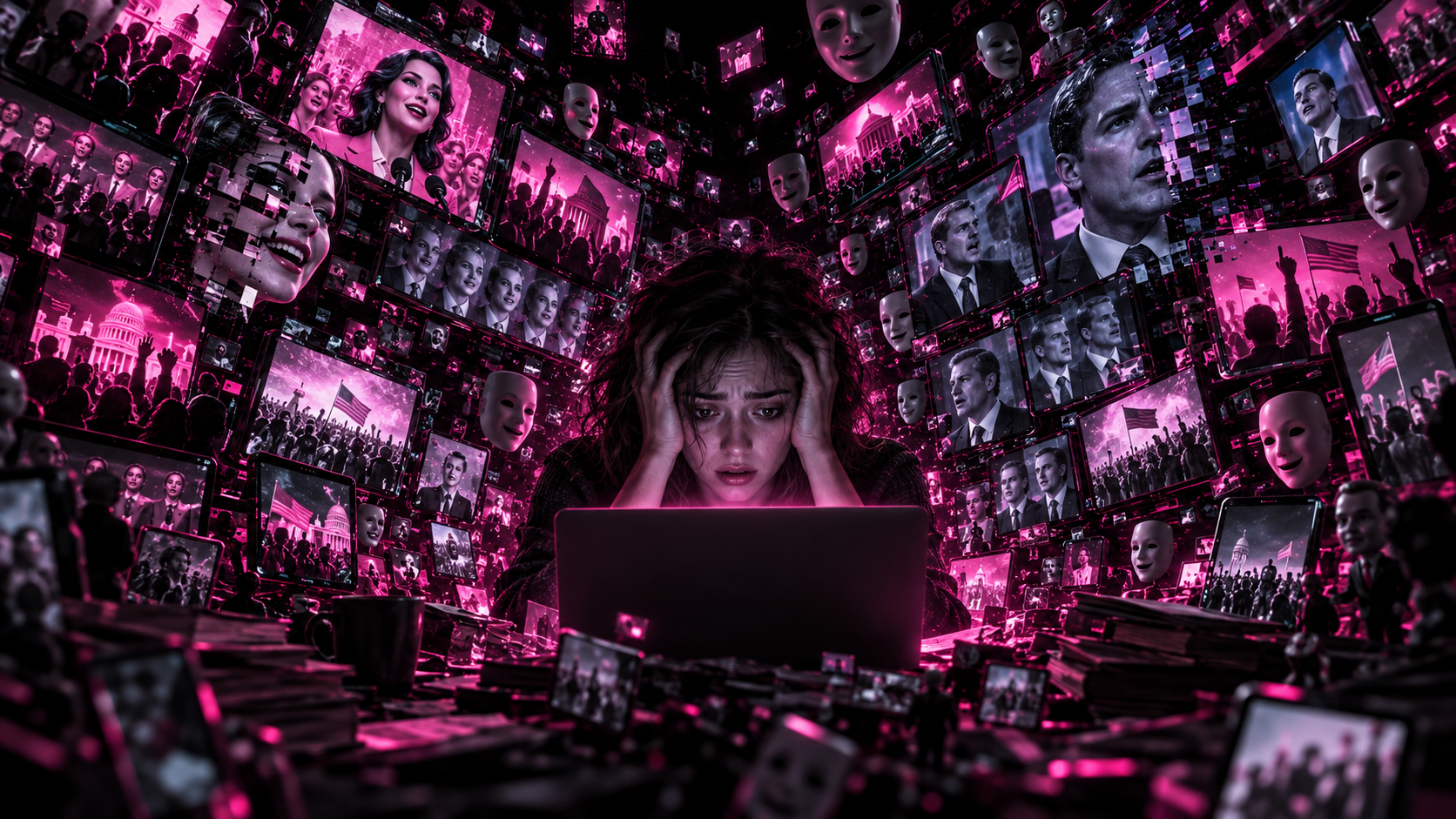
Political AI disclosures acknowledge that synthetic campaign content is here. The harder question is whether those labels can preserve context once the content begins moving through the feed.

Generative AI is moving from speeches and summaries into the machinery of legislation and legal filings. The problem is not simply whether a machine wrote the words. It is what happens when legal-looking language becomes almost free to produce.

Clipping has become a multimillion-dollar distribution industry built around turning hours of podcasts and livestreams into the moments most likely to spread. But when the excerpt becomes evidence, context can disappear without a single word being fake.
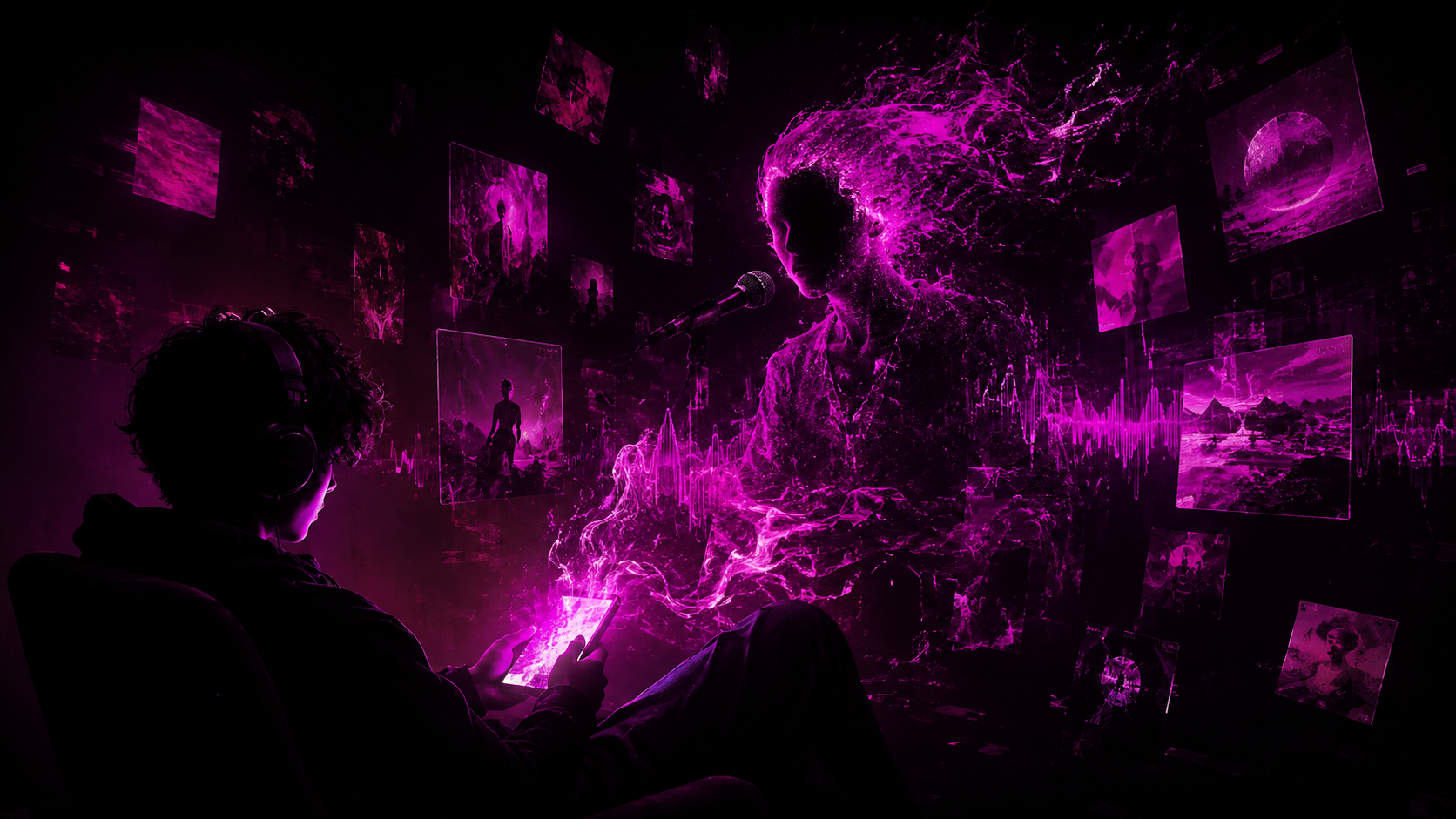
AI-generated music is pouring into streaming platforms by the tens of thousands of tracks per day. The strange part is not that machines can make songs. It is that listeners increasingly have to ask whether anyone made the song at all.

The internet was already full of medical misinformation, commercial health sites, miracle claims and cyberchondria. AI didn't create the garbage. It gave the garbage industrial production capacity.